Business Is Not “Money Magic,” It’s Architecture
Most people approach business like a spell for cash. That already disqualifies them.
Business is architecture under stress. It’s systems, hierarchy, timing, resource flow, and the ability to make unpopular decisions without emotional leakage. Scaling is not growth; scaling is maintaining coherence while pressure multiplies.
That’s why most spirits people pick are wrong. They choose demons associated with wealth, attraction, or luck. Those help with income. They do not help with construction.
For construction and scaling, I look for entities that govern:
Command and authority
Strategic foresight
Structural discipline
Enforcement and containment
Long-term dominance rather than short wins
Now I’ll show you exactly which ones I use and why.
Belial — Authority Before Expansion
Belial is where business work actually begins, not where people want to begin.
Belial governs self-derived authority. Not charisma. Not persuasion. Authority. The internal posture that says: I decide, and reality adjusts.
If you cannot hold authority, scaling will destroy you. Employees will test you. Partners will erode you. Clients will negotiate you into exhaustion. Belial corrects that at the identity level.
I don’t use Belial to “get rich.” I use Belial to:
Build unshakeable decision confidence
End people-pleasing in leadership
Establish dominance in negotiations without aggression
Belial doesn’t give ideas. He gives spine. And without spine, scaling collapses into chaos.

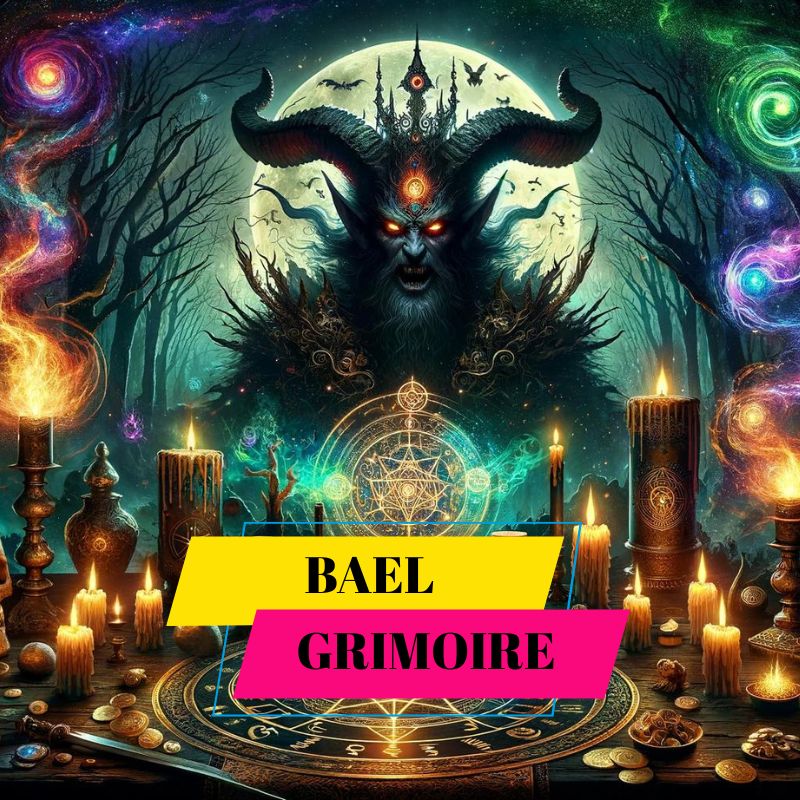
Bael — Strategic Invisibility and Market Positioning
Bael is underestimated because people reduce him to “invisibility.” That’s childish.
In business, invisibility means selective exposure. Knowing when to be seen, when to withdraw, when to operate without drawing attention, and when to strike visibly.
Bael governs positional intelligence:
Entering markets without provoking early resistance
Building quietly while competitors posture
Remaining underestimated until leverage is secured
I use Bael during early-stage construction and again during major pivots. He sharpens situational awareness so you don’t confuse activity with advantage.
Scaling isn’t loud. Scaling is quiet until it’s irreversible.
Bune — Resource Flow, Not Gambling
People love to misuse Bune. They ask for money. I don’t.
Bune governs resource circulation, not jackpots. Cash flow. Liquidity. The movement of value through systems. When scaling breaks, it’s almost always a flow issue, not a profit issue.
I work with Bune to:
Stabilize cash cycles
Align pricing with actual value
Remove emotional attachment to money decisions
Bune teaches neutrality toward capital. You stop worshiping money and start deploying it. That psychological shift alone fixes half of business failures.

Scaling Is a Nervous System Problem
Let me be direct.
Most businesses don’t fail because of strategy. They fail because the owner’s nervous system cannot handle scale. More people, more money, more visibility means more stimulation. The psyche panics and starts sabotaging.
That’s where enforcement spirits come in.
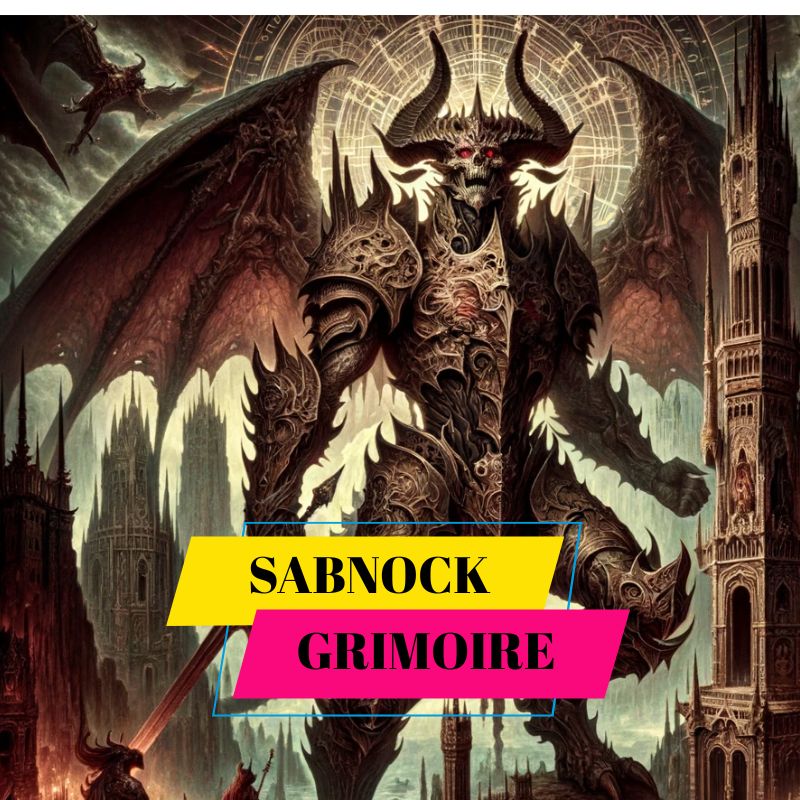
Sabnock — Structural Defense and Containment
Sabnock is not glamorous. He is indispensable.
Sabnock governs fortification, boundaries, and long-term containment. In business terms:
Legal structure discipline
Clear roles and access limitations
Protection from internal erosion
I bring Sabnock in when growth starts creating leaks: employees overreaching, partners blurring lines, systems becoming porous.
Sabnock doesn’t motivate. He hardens. And hardened structures survive stress.
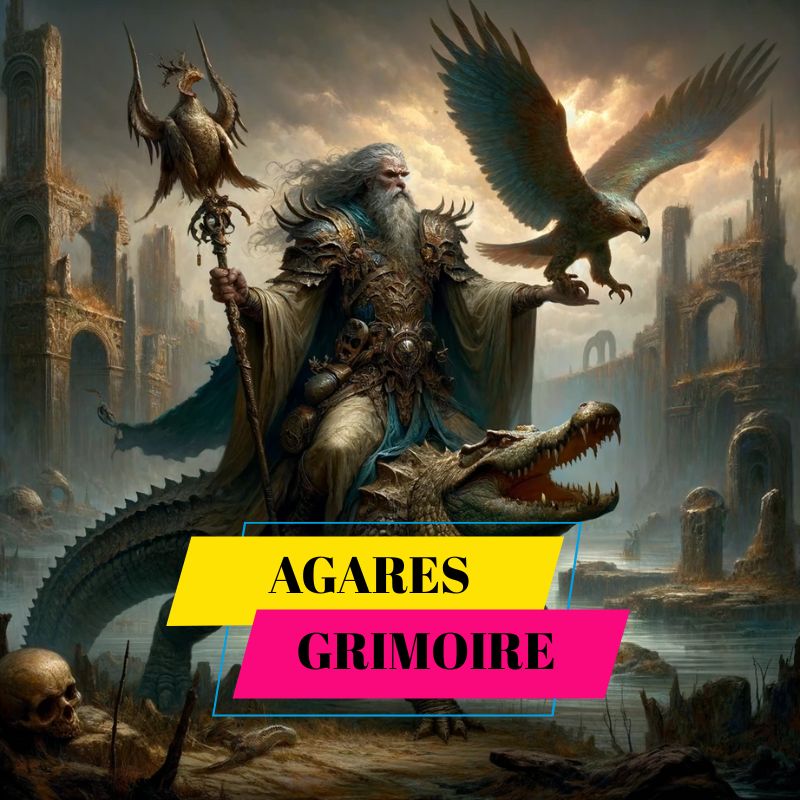
Agares — Momentum and Correction of Drift
Agares is about motion. Not chaos—directed momentum.
In scaling phases, businesses drift. Vision dilutes. Priorities multiply. Everyone is “busy” and nothing moves. Agares corrects that.
I use Agares to:
Restore velocity without panic
Eliminate false priorities
Re-align teams toward movement instead of chatter
Agares is especially effective when businesses stall after initial success. He cuts through complacency fast.
You Don’t Scale Ideas, You Scale Execution
Here’s something most people don’t like hearing:
Your idea doesn’t matter anymore once scaling begins.
Execution does.
That’s where managerial demons—not visionary ones—become critical.
Paimon — Command, Delegation, and Hierarchy
Paimon is not about wisdom quotes. He is about command transmission.
As a business grows, your thoughts must pass through layers of people without distortion. That is incredibly difficult. Paimon governs:
Clear delegation
Respect-based authority
Hierarchical coherence
When people say, “My team doesn’t get me,” what they mean is: their command structure is broken. Paimon repairs that.
I don’t use Paimon to inspire. I use him to align obedience with intelligence, which is rare and valuable.

Vine — Strategic Expansion and Controlled Destruction
Every scale phase requires destruction. Old systems must die. Old offers must be cut. Old identities must be dropped.
Vine governs controlled demolition:
Shutting down what no longer scales
Entering new territories decisively
Breaking through stagnation without recklessness
Vine is not gentle. He is precise. I call him when growth requires burning something that once worked but now limits expansion.

The Psychology You Must Have Before Working With Them
Let me be very blunt here.
If you secretly want business to validate you, don’t work with these spirits. They will expose you.
These demons amplify:
Decisiveness
Accountability
Emotional neutrality
Long-term thinking
They punish:
Victimhood
Fantasy-driven goals
Moral posturing
Avoidance of responsibility
Scaling is not enlightenment. It’s pressure management.
How I Actually Combine Them (Not a Ritual, a Logic)
I don’t stack demons randomly. I sequence them like systems.
Belial first — establish internal authority
Bael second — position without exposure
Bune third — stabilize resource flow
Sabnock fourth — harden structure
Agares fifth — maintain momentum
Paimon sixth — command delegation
Vine as needed — strategic destruction
Notice what’s missing: obsession with profit, attraction, or luck.
Those are effects, not foundations.
A Warning Most People Ignore
If your business ethics are performative—if you need to feel “good” about every decision—you will suffer here.
These intelligences operate on function, not morality theater. They don’t make you cruel. They make you clear. People who confuse clarity with cruelty get hurt because they refuse to grow up psychologically.
Scaling requires:
Saying no without guilt
Ending relationships without justification
Choosing efficiency over sentiment
If that scares you, stay small. There is no shame in that. But don’t pretend it’s spiritual maturity.
Final Grounding (Without Ceremony)
I’ll end this simply.
Demons don’t build businesses for you. They remove internal friction so you can build without sabotaging yourself. They sharpen authority, reinforce structure, and accelerate execution.
If your foundation is weak, they expose it.
If your foundation is solid, they multiply it.
That’s not mysticism. That’s mechanics.
And business, at scale, is nothing but mechanics under pressure.