Keep Your Energy Flowing—Or Burn Out
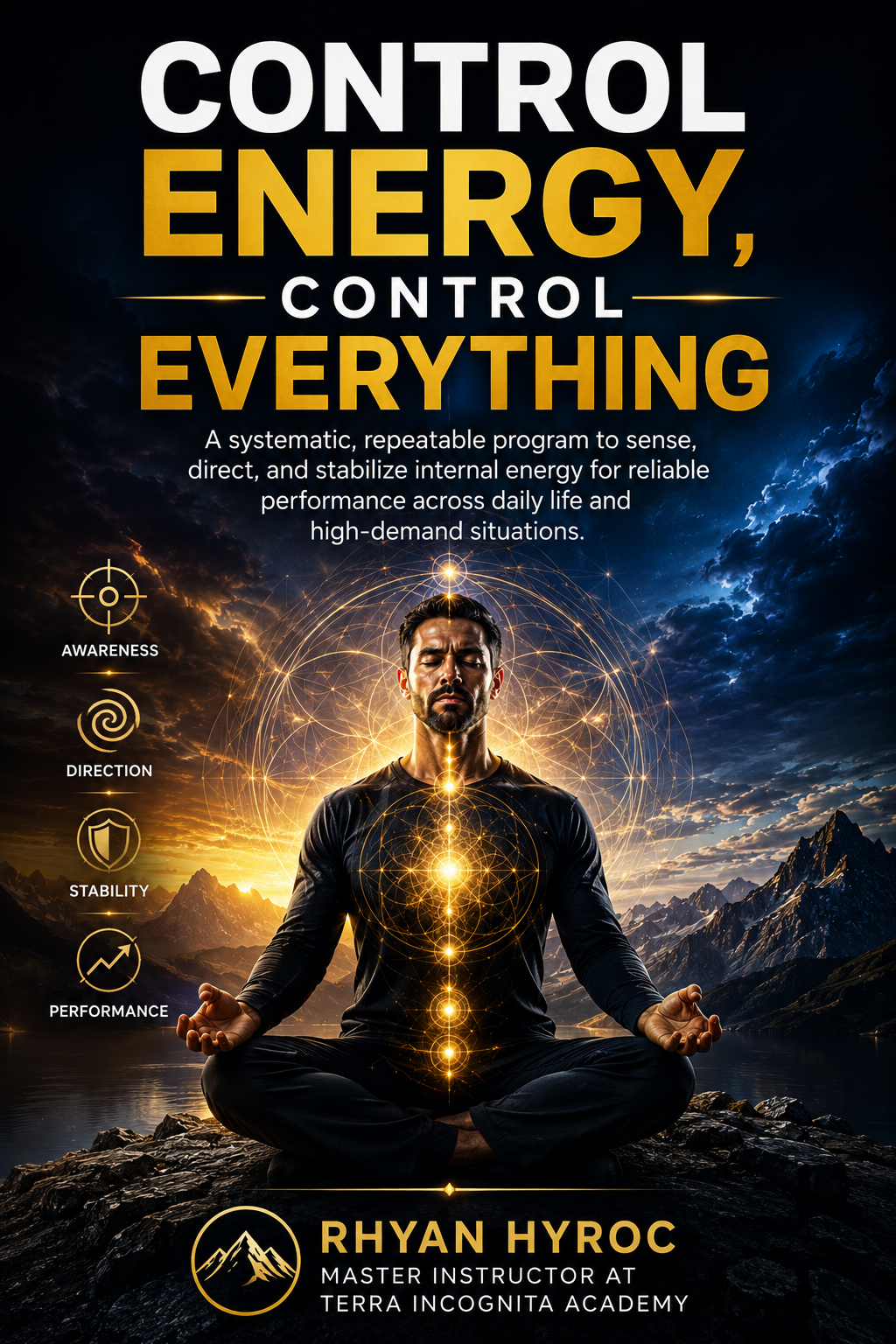
Most people think burnout happens suddenly. It doesn't. Burnout is usually the result of hundreds of small energy leaks accumulating over weeks, months, or even years until the system can no longer compensate. The tragedy is that many high performers never see it coming. They continue pushing harder, working longer, and relying on discipline alone, believing exhaustion is simply the price of success. By the time the warning signs become impossible to ignore, performance has already declined, recovery takes longer, decision-making suffers, and motivation begins to disappear. Keep Your Energy Flowing—Or Burn Out was created to solve that problem. Rather than treating energy as a mysterious resource that appears and disappears without explanation, this book presents energy as a system that can be measured, managed, optimized, and restored. The result is a practical operating framework for maintaining high output without accumulating destructive energy debt. This is not a motivational book. It is not built on vague concepts or inspirational slogans. It is a structured guide designed to help you understand how your body, mind, attention, and recovery systems interact under pressure—and how to keep them functioning when demands continue to rise. At the center of the system are four foundational levers: Breath. Attention. Posture. Arousal. These elements influence nearly every aspect of performance, resilience, focus, and recovery. When properly managed, they create a state of sustainable productivity. When ignored, they become silent contributors to exhaustion and burnout. One of the most valuable aspects of this work is its focus on diagnosis. Most people recognize burnout only after it becomes severe. This book teaches you how to identify the earliest warning signs before significant damage occurs. You will learn to recognize subtle markers such as breath fragmentation, declining concentration, rising irritability, cognitive fatigue, postural collapse, sleep pressure, recovery delays, attentional drift, and decision fatigue. Instead of guessing what is wrong, you learn how to read your system accurately. That knowledge creates control. The book then moves into practical implementation through a structured daily circulation protocol designed to stabilize energy, regulate stress, improve attention, and reduce physiological volatility. These practices are designed to fit into real life. No extreme routines. No unrealistic schedules. No dependence on motivation. The goal is consistency. A major theme throughout the book is that energy management is not about doing more. It is about eliminating unnecessary losses. Many professionals unknowingly waste enormous amounts of energy through constant context switching, unresolved mental loops, poor breathing patterns, fragmented attention, and ineffective recovery habits. This book teaches how to identify those leaks and close them systematically. Particular attention is given to breath mechanics and respiratory efficiency. Modern lifestyles often encourage shallow breathing, chronic over-breathing, and poor respiratory habits that quietly reduce resilience and increase stress reactivity. The methods presented help improve breathing efficiency, autonomic regulation, and physiological stability while supporting clearer thinking and improved endurance throughout demanding workdays. The system also addresses one of the most overlooked components of sustained performance: recovery. Recovery is not treated as inactivity. It is treated as an active process that can be developed, strengthened, and optimized. Readers learn how to build recovery capacity, accelerate post-stress restoration, and establish practical routines that prevent depletion from accumulating over time. As the book progresses, more advanced concepts are introduced, including stress inoculation, load management, circulation capacity development, recovery scheduling, conflict stabilization, and adaptive protocols for high-pressure environments. These tools help maintain stability during difficult periods rather than waiting until exhaustion forces a complete reset. What makes this system particularly powerful is its focus on decision rules. Instead of relying on mood or motivation, readers develop clear criteria for knowing when to push harder, when to maintain pace, when to reduce load, and when recovery should take priority. This removes much of the uncertainty that contributes to burnout. The final outcome is not merely increased productivity. It is sustainable capability. You become better equipped to handle demanding projects, extended workloads, travel, deadlines, leadership responsibilities, and prolonged periods of pressure without sacrificing long-term performance. By the end of the book, you will possess a complete personal operating system for energy management. A framework for maintaining focus. A method for improving resilience. A strategy for preventing burnout before it begins. And a practical set of tools for performing consistently—not only on your best days, but on the days when performance matters most. If you want to stop cycling between overexertion and recovery, replace exhaustion with sustainable output, and build a system capable of supporting long-term success, this guide provides a practical roadmap for keeping your energy flowing when others burn out.
Price: €29